Cemetery Headstone Rules in Canada and the USA: A Practical Guide Before Ordering
Learn the cemetery rules that affect headstone type, size, material, foundations, vases, permits, delivery, and installation before buying a granite memorial.
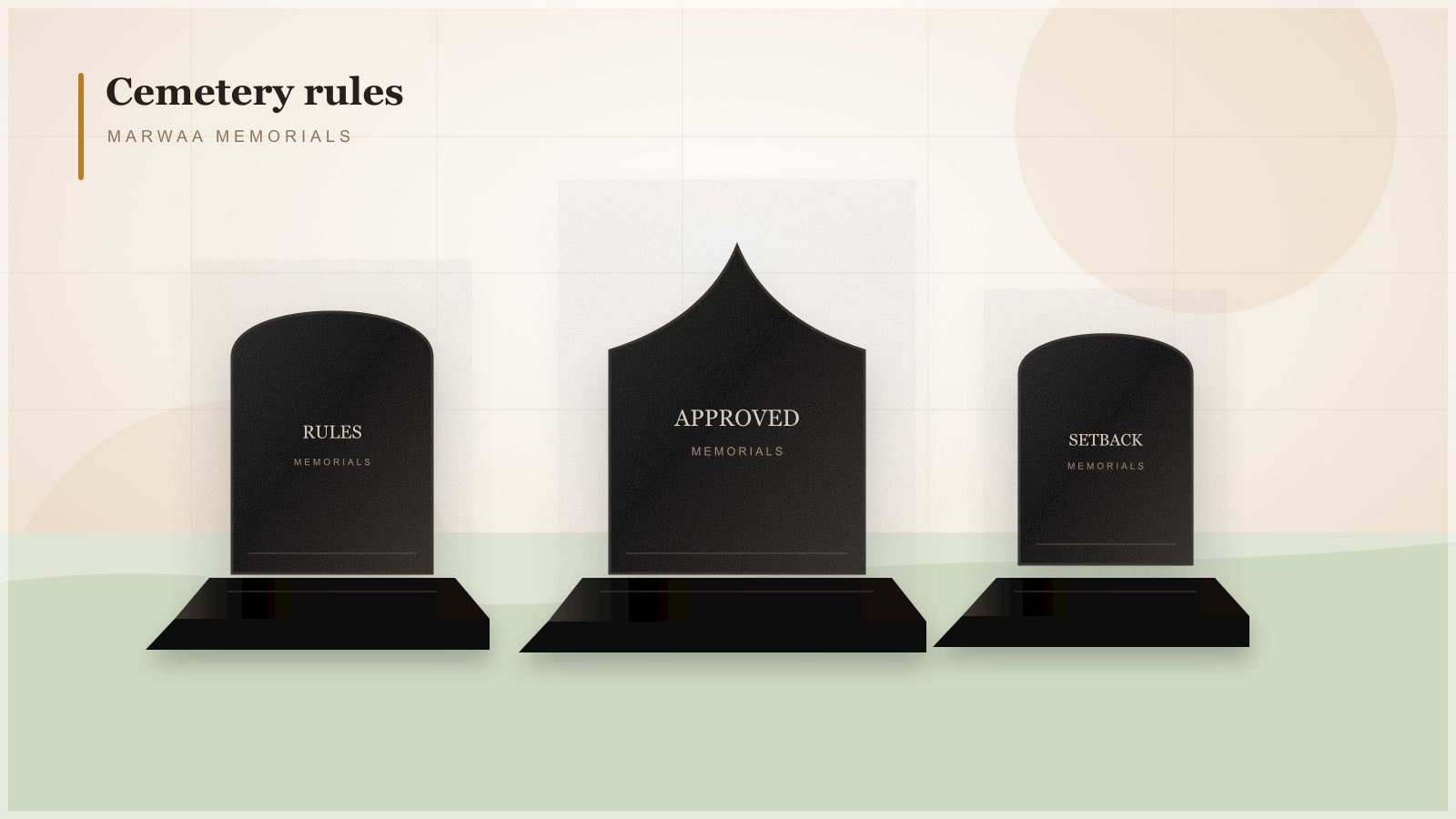
Cemetery headstone rules can affect almost every part of a memorial order. A family may choose a beautiful upright monument, but the cemetery may only allow flat markers in that section. A dealer may quote a companion headstone, but the cemetery may require a specific base size, foundation depth, or installation method before approval.
This guide explains the most common cemetery rules in Canada and the USA so families, funeral homes, cemeteries, and monument dealers can avoid delays before ordering a granite memorial.
Why Cemetery Rules Matter Before You Buy
Granite headstones are permanent structures installed in regulated cemetery spaces. Cemeteries create rules to protect maintenance access, preserve section appearance, manage safety, and keep monuments consistent with local bylaws.
Before production begins, confirm the rules in writing. A good quote should not only ask what design you like. It should ask where the memorial will be installed, what section it is in, and which monument types are permitted.
Common Cemetery Requirements
Most cemetery rule sheets cover these areas:
| Rule Area | What To Confirm |
|---|---|
| Monument type | Upright, flat marker, slant, bevel, bench, companion, or bronze marker. |
| Maximum size | Width, height, thickness, base size, and die size. |
| Material | Granite color, bronze rules, finish restrictions, or approved stone types. |
| Foundation | Concrete pad size, depth, season, and who is allowed to pour it. |
| Installation | Cemetery-only installation or approved outside installers. |
| Vases and accessories | Vase quantity, placement, removable rules, and flower holder limits. |
| Inscription | Symbols, portraits, language, emblems, borders, and approval process. |
Upright Monument Rules
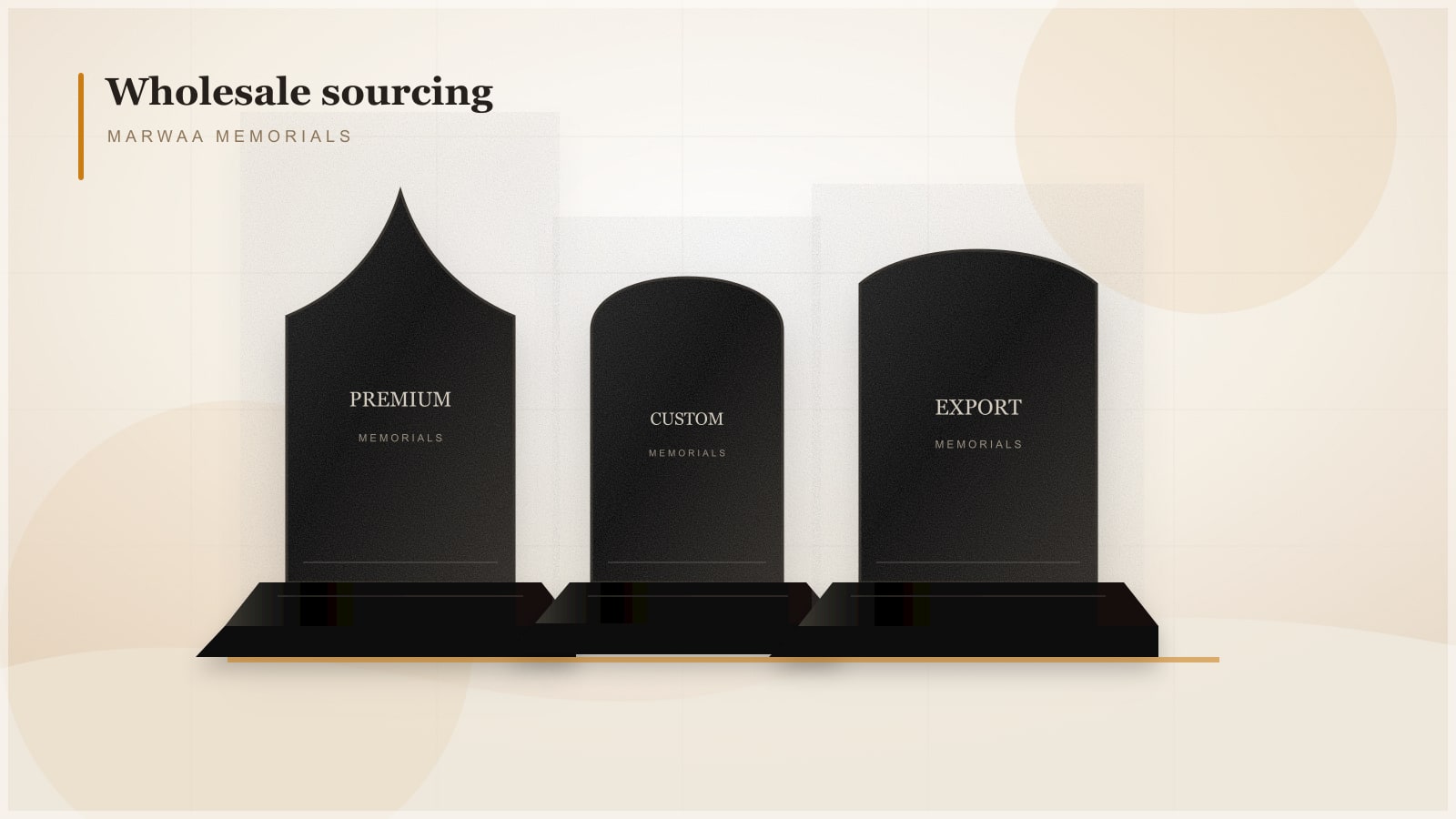
Upright monuments usually have the strictest requirements because they are tall and heavy. Cemeteries may specify the maximum monument height, base dimensions, minimum foundation size, and distance from nearby graves.
For companion monuments, confirm whether the cemetery allows a shared base across two plots. Some cemeteries require proof that both plots are owned by the same family or that the monument fits within the grave layout.
Flat Marker and Slant Marker Rules
Memorial parks often require flat grave markers because lawn equipment can pass over them more easily. Other cemeteries allow slant or bevel markers because they are visible while still lower than upright monuments.
When comparing flat markers, confirm thickness, bevel height, bronze plaque rules, vase placement, and whether the marker must sit flush with grade. These details change the final product cost and installation plan.
Granite Color and Finish Restrictions
Most cemeteries accept granite, but some limit colors or finishes in specific sections. Black granite is popular because it creates strong contrast for engraving and laser etching, while grey granite is common in heritage cemeteries.
If a cemetery requires a natural rock-pitch edge, a polished face only, or a specific base finish, that should be included in the production specification before the order is placed.
Permits, Proofs, and Approval Timelines
Many cemeteries require an application before installation. The application may include a drawing, dimensions, inscription, material, installer information, and proof of plot ownership.
Ask these questions early:
- Who submits the cemetery application?
- How long does approval usually take?
- Is the inscription approved separately from the monument size?
- Are there seasonal installation windows?
- Are final-date engravings handled by the cemetery or an outside engraver?
How Marwaa Memorials Helps Reduce Delays
Marwaa Memorials supplies factory-direct granite memorials across Canada and the USA. Before quoting, the team can review the cemetery location, preferred monument type, size expectations, engraving needs, and delivery requirements.
Families can start with the granite monument quote request. Funeral homes and cemeteries that regularly guide families can also explore the Marwaa referral program for partner tools and support.
Ordering Checklist
Before placing a granite headstone order, collect:
- Cemetery name and city.
- Cemetery section or plot location.
- Approved monument type.
- Maximum dimensions and base rules.
- Foundation and installation requirements.
- Vase and accessory rules.
- Inscription, artwork, and photo requirements.
- Permit process and approval timeline.
The safest memorial order is the one designed around cemetery rules from the beginning. That protects the family, the dealer, and the installation schedule.
Frequently Asked Questions
Do all cemeteries allow upright headstones?
No. Some cemetery sections allow upright monuments, while others require flat markers, bronze plaques, or slant markers. Always confirm the section rules before ordering.
Can a cemetery reject a headstone after it is made?
Yes. If the monument does not match size, material, inscription, foundation, or installation rules, the cemetery may reject installation. Written approval helps prevent this problem.
What information is needed before ordering a cemetery headstone?
You should confirm the cemetery name, section, monument type, maximum dimensions, foundation requirements, vase rules, inscription approval process, and installation rules.
Ready to get pricing for your granite monument?
Request pricing, factory specifications, and DAP delivery timelines from our team.